
Why Do Injections Sting? Common Causes and Simple Fixes
Stinging or burning during a shot often comes down to temperature, technique or the medication itself. The common causes, what you can change, and when to mention it to your provider.
The needle itself is often the easy part. It's the few seconds after, when the medication goes in and the area starts to sting or burn, that people dread.
Stinging during an injection usually comes from one of a handful of things: cold medication, alcohol that hasn't dried, injecting too fast, a tense muscle, or the medication itself. Most of these are easy to change. And when the medication is the cause, a few small adjustments can still make it more comfortable.
Here's what's behind the sting and what you can do about it.
The Most Common Causes
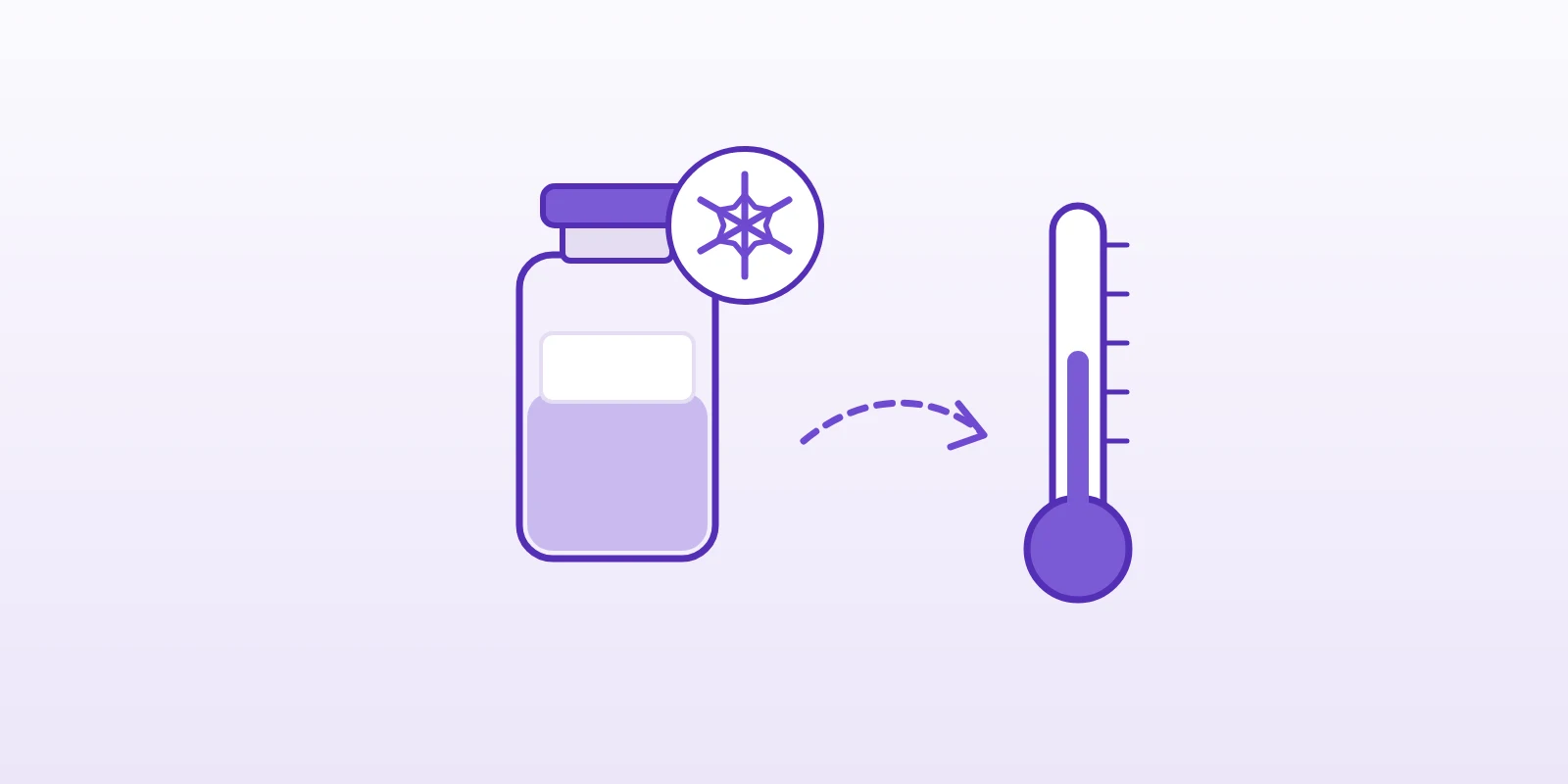
Cold medication. Liquid straight from the fridge can sting more than liquid at room temperature. Many people notice a big difference once they let it warm up, but only do this if your label says the medication can sit out for a while.
Wet alcohol. If you inject before the alcohol swab has dried, the needle can carry a little alcohol into the skin. That stings. Waiting until the skin is fully dry helps. Our guide to using an alcohol swab covers the right way to do it.
Injecting too fast. Pushing the plunger quickly forces the liquid into the tissue all at once. A slow, steady push is usually gentler.
A tense area. If you're bracing for the shot, the muscles and skin around the site tighten. Injecting into a tight area tends to feel worse.
The medication. Some medications sting no matter what, because of their acidity or added ingredients. The patient leaflet often mentions it if it's common. This isn't a sign anything's wrong.
A dull needle. Needles are made for one use. A reused needle is blunter and causes more discomfort going in. Our guide to reusing syringes explains why it's never a good idea.
The same spot again. Skin that hasn't had time to recover from the last injection can be more sensitive.
The site you chose. Some areas are more sensitive than others, and this varies from person to person.
Cause and Fix at a Glance
| What you notice | Likely cause | What to try |
|---|---|---|
| Sharp sting as the needle goes in | Wet alcohol, tense skin or a dull needle | Let the swab dry, relax the area, use a new needle |
| Cold, aching sting as you push | Cold medication | Let it warm up, if your label allows |
| Burning that builds as you push | Injecting quickly, or the medication itself | Push slowly and steadily, ask your pharmacist if burning is expected |
| Sore every time in one area | Not enough rotation | Spread your sites out and give each one a rest |
| Stinging that lasts or gets worse after | Possible reaction | Watch the site and contact your provider if it spreads |
Small Changes That Help
Relax the area. Sit down, let your shoulders drop and take a slow breath out as you inject. If you're injecting into your stomach, sitting back slightly can soften the area.
Insert the needle in one smooth motion. Hesitating at the skin surface is often more uncomfortable than a quick, confident insertion.
Push slowly. Take a few seconds for the plunger rather than one fast push.
Try a cool pack beforehand. Some people numb the skin with a wrapped ice pack for a minute before swabbing. Let the skin warm slightly and dry before you inject.
Rotate your sites. Our guide to why you should rotate injection sites explains how overused spots get tender. A rotation chart makes it easy to keep moving.
Check your needle. If you're using a longer or thicker needle than you need, ask your prescriber or pharmacist whether a different one would suit you. Our guide to needle sizes by injection site explains what the gauge and length numbers mean. Don't switch needles on your own.
Optimize Your Peptide Therapy Journey
Take control of your peptide therapy with PeptideKit - the comprehensive app designed to help you track, monitor, and optimize your treatment:
- Add peptide therapy protocols with custom schedules that work for you
- Easy dose logging with customizable reminder notifications
- Body change tracking to monitor your transformation
- Progress visualization with charts and trend analysis

Scan with your iPhone camera
to download PeptideKit
Notice Which Sites Hurt Less
Many people find that some sites sting noticeably less than others, but which ones is very personal. The only way to find out is to pay attention and write it down.
Add a quick note after each shot, even just "fine" or "stung," next to the site. After a few weeks you'll know which spots work best for you. A printable injection log has space for it, or PeptideKit lets you note how each shot felt alongside the site you tapped on the body map.
Is Stinging a Sign Something's Wrong?
Brief stinging during or just after the injection is common and usually fades within minutes. On its own it doesn't mean the injection went wrong or that the medication won't work.
It's worth calling your provider if:
For more on what's normal after an injection, see our guides to injection site reactions and lumps after an injection.
When the Fear Is Worse Than the Sting
Sometimes the hardest part isn't the sting itself but bracing for it. If you find yourself dreading each injection, our guide to self-injecting when you're scared of needles has practical tips for making it easier.
Frequently Asked Questions
Why does my injection burn?
Burning often comes from cold medication, injecting quickly, alcohol that hasn't dried, or the medication itself. Slowing down, letting the swab dry and letting the medication warm up (if your label allows) often helps.
Does letting medication warm up make injections hurt less?
Many people find room-temperature medication stings less than cold medication. Only do this if your medication's label says it can be kept out of the fridge for a while.
Is it normal for an injection to sting?
Yes, brief stinging is common, especially with some medications. It should fade within minutes. Contact your provider if pain lasts, worsens or comes with spreading redness or swelling.
Does injecting slowly hurt less?
For many people, yes. A slow, steady push gives the liquid time to spread instead of forcing it in all at once.
Why do some injection sites hurt more than others?
Sensitivity varies between areas of the body and between people. Overused sites can also be more tender. Keeping notes on each site helps you find the ones that work best.
The Bottom Line
Most injection stinging comes from things you can change: cold medication, wet alcohol, a fast push, a tense area or a site that needs a rest. Fix those and many injections get noticeably more comfortable.
If the medication itself stings, ask your pharmacist whether that's expected. And if pain lasts, spreads or comes with other symptoms, let your provider know.
Always consult with qualified healthcare professionals before starting any peptide therapy protocol. This information is for educational purposes only and does not constitute medical advice.
Related Articles
Bruising After an Injection: Why It Happens and How to Prevent It
A small bruise after a shot usually means the needle nicked a tiny blood vessel. Why some injections bruise, how long the mark lasts, what helps, and when a bruise is worth a call to your provider.
Injection Site Reaction: Redness, Itching and Swelling Explained
Red, itchy or swollen skin around an injection is common and usually mild. How to tell a normal reaction from an infection or allergy, what helps, and how to make reactions less likely.