

Back to Blog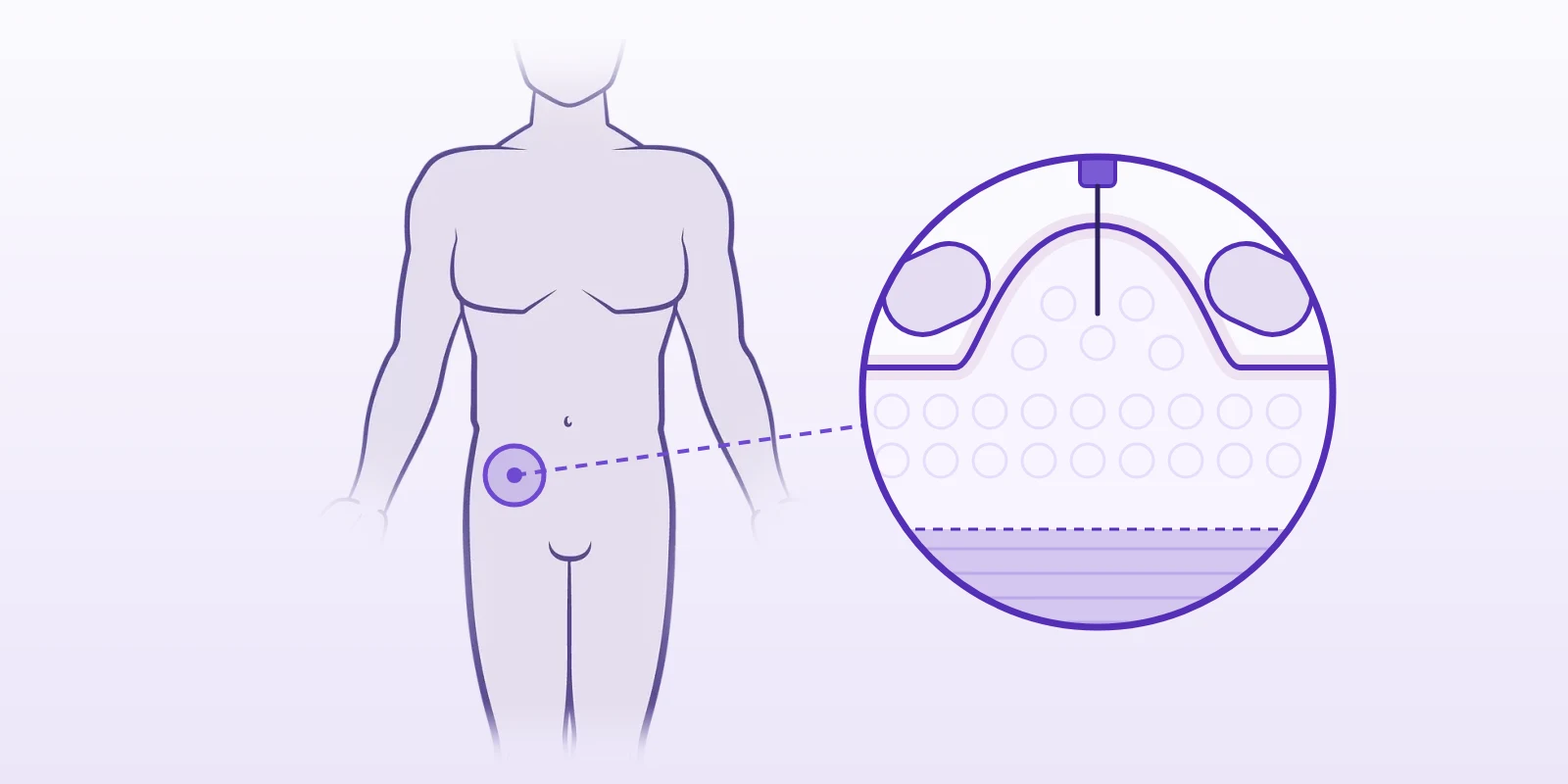
Do You Pinch the Skin for a Subcutaneous Injection?
November 22, 2026
6 min read
Monica Hodgson
injection-technique
subcutaneous
injection-sites
Why many people are taught to pinch the skin for a subQ injection, how to do it gently, when a pinch may not be needed, what angle goes with it, and when to let go.
If you were shown how to give yourself a subcutaneous (subQ) injection, you were probably told to pinch the skin first. Then you watched a video where someone didn't, and now you're not sure who's right.
Many people are taught to pinch up about an inch of skin and fat before a subQ injection. The pinch lifts the fatty layer away from the muscle underneath, which helps make sure the medication goes into fat rather than muscle. Whether you need to pinch depends mainly on your needle length and how much fat you have at the site.
So both can be right. The answer that matters is the one that matches your needle, your body and your instructions. Here's how it works.
Why the Pinch Matters
A subQ injection is meant to go into the layer of fat between your skin and your muscle. That layer is thicker in some places than others, and thicker in some people than others.
Pinching gathers the skin and fat into a fold and lifts them away from the muscle. That gives the needle more fat to land in, which:
How to Pinch Correctly
MedlinePlus, the U.S. National Library of Medicine's health site, describes pinching about an inch of skin and fat between your thumb and finger. A few tips make it easier:
What Angle Goes With the Pinch?
According to MedlinePlus, the needle usually goes in at a 90-degree angle, straight in. If you have very little fat at the site, a 45-degree angle may be used instead. Your instructions might say something different based on your needle, so follow those.
| Situation | Pinch? | Angle |
|---|---|---|
| Short needle, plenty of fat at the site | Sometimes not needed. Follow your instructions | Usually 90 degrees |
| Longer needle | Usually yes | Usually 90 degrees |
| Little fat at the site | Usually yes | Often 45 degrees |
| Pen device with its own instructions | Follow the device leaflet | As the leaflet says |
When to Let Go
This is where instructions differ. Some guidance, including MedlinePlus, says to let go of the pinch once the needle is in, then push the plunger. Other instructions say to keep the pinch until after you've injected and taken the needle out.
There's no single right answer for everyone. Follow what you were taught for your medication and needle, and if you weren't told, ask your pharmacist. Whichever way you do it, keep the needle still while you inject.
Optimize Your Peptide Therapy Journey
Take control of your peptide therapy with PeptideKit - the comprehensive app designed to help you track, monitor, and optimize your treatment:
- Add peptide therapy protocols with custom schedules that work for you
- Easy dose logging with customizable reminder notifications
- Body change tracking to monitor your transformation
- Progress visualization with charts and trend analysis
Download PeptideKit App
Scan with your iPhone camera
to download PeptideKit
When You Might Not Need to Pinch
With very short needles, many people can inject straight in at 90 degrees without pinching, because the needle isn't long enough to reach the muscle at most sites. Some pen device instructions don't mention a pinch at all.
On the other hand, if you're very lean or injecting into an area with little fat, a pinch can still be important even with a short needle. This is why it's worth asking rather than copying someone else's technique.
Which Sites Need It Most?
The amount of fat varies around the body, and it varies from person to person. In general:
Our guide to subcutaneous injection sites shows where each one is and what to look for.
Common Pinching Mistakes
Squeezing too hard. A tight pinch can hurt and bruise. Gentle is enough.
Pinching too much. Grabbing a big handful can pull up muscle, which defeats the purpose.
Moving the pinch during the injection. Shifting your grip can move the needle. Keep both hands steady.
Pinching bruised or lumpy skin. Move to a fresh area instead. Our guides to bruising after an injection and lumps after an injection explain why.
After the Injection
After you take the needle out, MedlinePlus suggests pressing a piece of gauze on the site for a few seconds if there's bleeding. Our guide to bleeding after an injection covers what's normal.
Then choose a different spot next time. MedlinePlus recommends keeping each injection at least an inch away from the last one. A rotation chart makes this easy, and PeptideKit lets you tap each site on a body map when you log the shot so you can see where you've been.
Frequently Asked Questions
Do you have to pinch the skin for a subcutaneous injection?
Not always. Many people are taught to pinch, especially with longer needles or at sites with little fat. With very short needles, a pinch may not be needed. Follow your instructions or ask your pharmacist.
How much skin should you pinch for a subQ injection?
MedlinePlus describes pinching about an inch of skin and fat between your thumb and finger. Lift a fold gently rather than squeezing hard.
What angle should a subcutaneous injection be?
Usually 90 degrees, straight in. A 45-degree angle may be used if there's very little fat at the site. Follow the instructions for your needle and medication.
Do you let go of the pinch before injecting?
Instructions differ. Some say to release the pinch once the needle is in, and others say to hold it until the needle is out. Follow what you were taught, and ask your pharmacist if you're unsure.
What happens if a subQ injection goes into muscle?
It can be more painful and may change how the medication is absorbed. If you think it happened, write it down and ask your pharmacist or provider whether anything needs to be done. Don't take an extra dose.
The Bottom Line
Pinching lifts the fat away from the muscle so a subQ injection lands where it should. Many people are taught to pinch about an inch of skin and fat gently and inject at 90 degrees, or 45 degrees where there's little fat.
Whether you need to pinch, and when to let go, depends on your needle and your body. Your instructions are the final word, and your pharmacist is the best person to ask.
Always consult with qualified healthcare professionals before starting any peptide therapy protocol. This information is for educational purposes only and does not constitute medical advice.
Related Articles
Can You Inject Into a Tattoo? What to Know About Tattooed Skin
Whether it's OK to give a subcutaneous injection through a tattoo, why fresh tattoos are off limits, why healed ink can hide problems, and how to plan your sites when a lot of your skin is tattooed.
Subcutaneous Injection Sites: Diagram and Guide to Every SubQ Site
Where to give a subcutaneous (subQ) injection, with a labeled diagram of the abdomen, thighs, arms and glutes. How to find each site, which one is easiest, and the spots to avoid.