

Back to Blog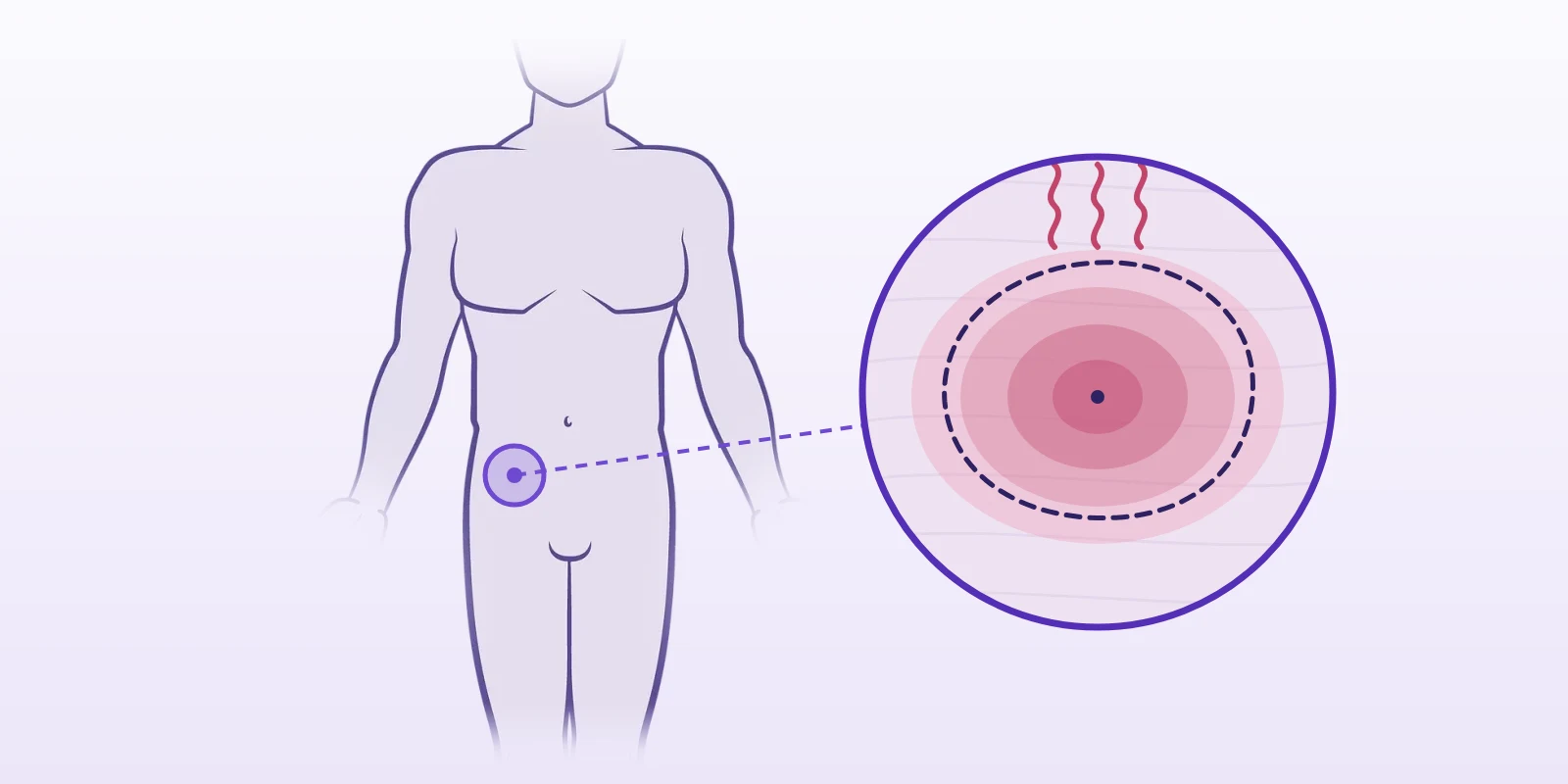
Is My Injection Site Infected? Signs to Watch For
November 25, 2026
6 min read
Monica Hodgson
injection-site-reactions
peptide-safety
peptide-therapy
How to tell a normal injection site reaction from a possible infection, which signs mean you should call your provider, when to get urgent help and how to lower the risk.
A little redness or a small bump after an injection is common, and most of the time it fades on its own. But every now and then, a site that looked fine yesterday looks worse today, and you start to wonder whether it's infected.
Infections at injection sites aren't common when you use good technique, but they do happen, and they're worth catching early.
The main difference is direction. A normal reaction usually settles within a day or two. A possible infection usually gets worse: redness that spreads, warmth, swelling and pain that increase, pus, red streaks or a fever. If you notice any of those, contact your provider.
Here's how to tell the two apart and what to do.
Normal Reaction or Possible Infection?
| Usually a normal reaction | Possible infection | |
|---|---|---|
| When it starts | Soon after the injection | Often a day or more later |
| Over the next day or two | Fades | Gets bigger, redder or more painful |
| Redness | Small, stays the same size | Spreads outward |
| Warmth | Mild, and fades | Warm or hot, and getting worse |
| Pain | Mild tenderness | Increasing pain or throbbing |
| Fluid | None | Pus or cloudy drainage |
| Red streaks | None | Red lines spreading from the site |
| How you feel overall | Fine | Fever, chills or feeling unwell |
Signs of Infection
MedlinePlus describes the signs of a skin infection called cellulitis, which is one type of infection that can start at a break in the skin. They include:
MedlinePlus also mentions red streaks spreading from the area as a sign that needs attention right away.
When to Call Your Provider
Contact your provider if:
It's always fine to call about something that turns out to be nothing. Infections are much easier to treat early.
When to Get Urgent Help
Get urgent medical care if you have:
These can be signs that an infection is spreading, and they shouldn't wait.
Optimize Your Peptide Therapy Journey
Take control of your peptide therapy with PeptideKit - the comprehensive app designed to help you track, monitor, and optimize your treatment:
- Add peptide therapy protocols with custom schedules that work for you
- Easy dose logging with customizable reminder notifications
- Body change tracking to monitor your transformation
- Progress visualization with charts and trend analysis
Download PeptideKit App
Scan with your iPhone camera
to download PeptideKit
A Simple Way to Watch a Red Area
If you're not sure whether redness is spreading, take a photo of it in good light, or ask your provider whether you should mark the edge of the redness with a pen. Comparing it a few hours later makes it much easier to tell whether it's growing, rather than relying on memory.
Note what you see, when you noticed it and how you feel. If you do call your provider, those details help.
What Raises the Risk of Infection
Most injection site infections come from bacteria getting into the skin. The risk goes up with:
How to Lower the Risk
Most of this is just good routine:
Our step-by-step guide to giving yourself a subcutaneous injection puts all of this in order.
After an Infection
If you've had an infection at a site, avoid that area until it has fully healed, and ask your provider when it's okay to use it again. Write down what happened, where and when. If it happens more than once, your provider may want to review your technique, supplies or storage with you.
PeptideKit lets you log the site on a body map with each shot and add notes, so you can look back and see exactly where and when a problem started.
Frequently Asked Questions
How do I know if my injection site is infected?
Watch for redness that spreads, warmth, swelling and pain that get worse, pus, red streaks or a fever. A normal reaction usually fades within a day or two instead.
How long after an injection can an infection start?
Infections often show up a day or more after the injection, while normal reactions usually appear soon after and then fade. If a site gets worse over time, contact your provider.
Is redness after an injection always an infection?
No. Mild redness that stays small and fades is a common, normal reaction. Redness that spreads, feels hot or comes with increasing pain is more concerning.
When should I go to urgent care for an injection site?
Get urgent help for a fever with a red, painful site, red streaks spreading from the site, redness that spreads quickly, or if you feel very unwell.
Can I keep injecting near an infected site?
Avoid the area until it has fully healed and your provider says it's okay. Use other sites in the meantime.
The Bottom Line
Normal injection reactions usually settle within a day or two. Possible infections usually get worse: spreading redness, warmth, more pain and swelling, pus, red streaks or fever.
If a site is heading in the wrong direction, call your provider. If you have a fever, red streaks or rapidly spreading redness, get urgent help. And keep the risk low with clean hands, a clean site and a new needle every time.
Always consult with qualified healthcare professionals before starting any peptide therapy protocol. This information is for educational purposes only and does not constitute medical advice.
Related Articles
Injection Site Reaction: Redness, Itching and Swelling Explained
Red, itchy or swollen skin around an injection is common and usually mild. How to tell a normal reaction from an infection or allergy, what helps, and how to make reactions less likely.
Left Your Injectable Medication Out of the Fridge? What to Do
Found your vial or pen on the counter instead of in the fridge? Here's what to do first, what to write down, who to call and how to stop it happening again.