
Back to Blog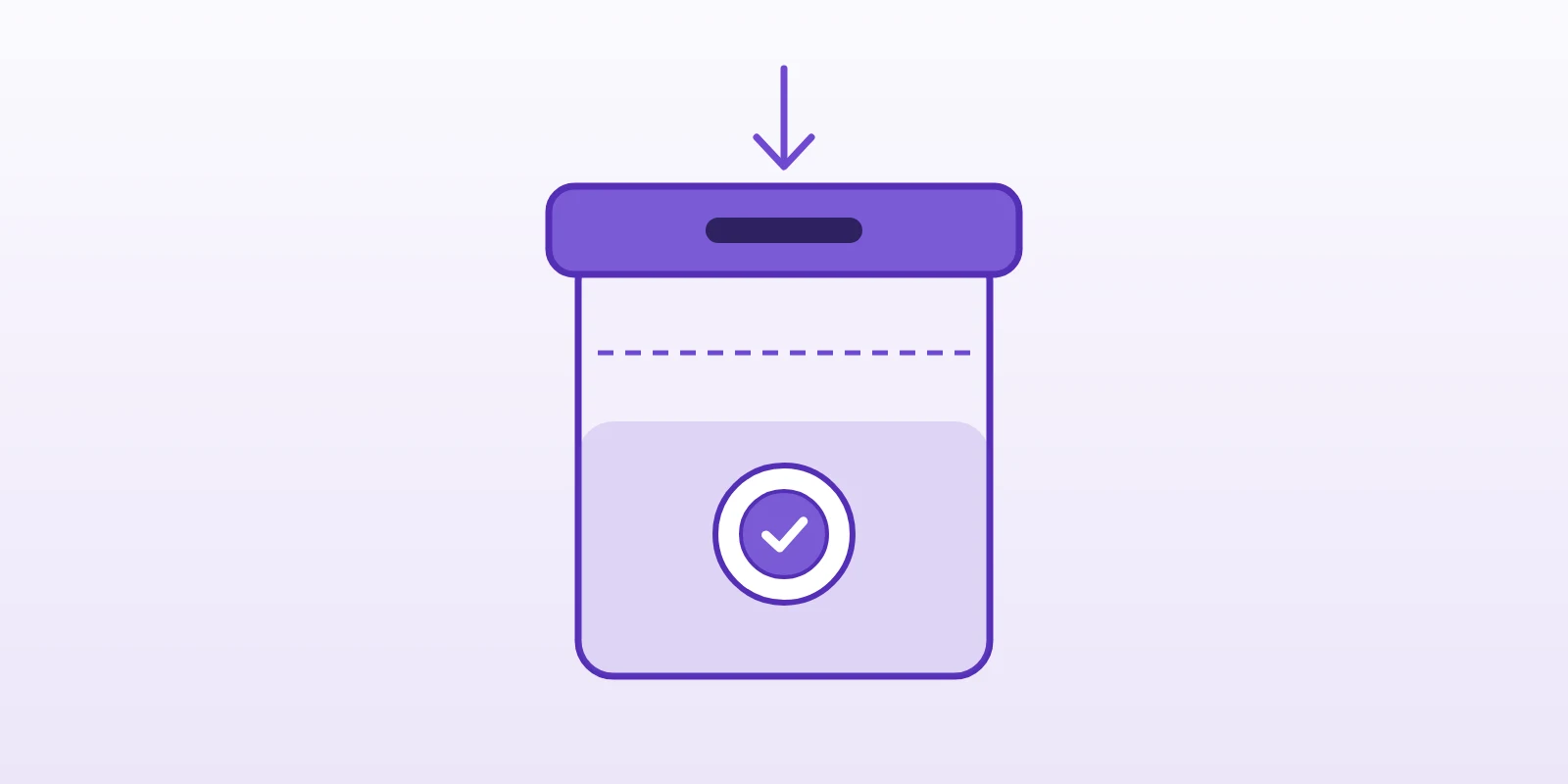
How to Dispose of Needles at Home Safely
November 17, 2026
6 min read
Monica Hodgson
sharps
syringes
peptide-safety
What to do with used needles and syringes at home: the FDA's two-step approach, what counts as a safe container, your local disposal options, and the mistakes to avoid.
Once you're injecting at home, used needles pile up quickly. A weekly shot adds up to more than fifty needles a year, and a daily one adds up to hundreds. They all need to go somewhere safe.
The short answer: put every used needle into a sharps container straight away, then get rid of the full container the way your local area allows. That's the two-step approach the U.S. Food and Drug Administration (FDA) recommends. It protects you, the people you live with, and everyone who handles your trash.
This guide walks through both steps, what to use if you don't have a sharps container yet, and the mistakes that put other people at risk.
Step 1: Use a Sharps Container Every Time
The FDA says to put used needles and other sharps into a sharps disposal container immediately after use. Don't leave a used needle on the counter to deal with later, and don't put it back in its packaging.
The best option is an FDA-cleared sharps container. You can usually buy these at pharmacies, from medical supply companies and online, and sometimes your prescriber or pharmacy can give you one.
What If You Don't Have a Sharps Container?
If an FDA-cleared container isn't available, the FDA says a heavy-duty plastic household container can be used instead, such as an empty laundry detergent bottle. A good stand-in should be:
Thin plastic bottles, glass, coffee cans and cardboard boxes aren't good choices. Needles can poke through them, glass can break, and some can end up in recycling by mistake.
Rules for Using Your Container
The FDA's guidance includes a few simple rules:
Step 2: Dispose of the Full Container
What you do with a full container depends on where you live. Rules vary by state, county and city, so the FDA recommends checking with your local trash or public health department.
Common options include:
| Option | How it works |
|---|---|
| Drop-off collection sites | Some pharmacies, doctors' offices, hospitals, health departments, police and fire stations accept full sharps containers. Some are free and some charge a fee |
| Household hazardous waste sites | Local sites that take paint, batteries and chemicals sometimes take sharps too |
| Mail-back programs | You buy a special container, fill it, and mail it back in a prepaid package that meets postal rules |
| Residential special waste pickup | Some areas offer pickup from your home, sometimes on request or for a fee |
| Household trash | Some areas allow a sealed, labeled container in the regular trash. Many don't, so check first |
Optimize Your Peptide Therapy Journey
Take control of your peptide therapy with PeptideKit - the comprehensive app designed to help you track, monitor, and optimize your treatment:
- Add peptide therapy protocols with custom schedules that work for you
- Easy dose logging with customizable reminder notifications
- Body change tracking to monitor your transformation
- Progress visualization with charts and trend analysis
Download PeptideKit App
Scan with your iPhone camera
to download PeptideKit
What Not to Do
These habits are common, but they put other people at risk. The FDA advises against all of them:
If You Get Stuck With a Used Needle
Accidents happen. If you're stuck by a needle that was used by someone else, wash the area with soap and water right away and contact your healthcare provider or seek medical care promptly. Don't wait to see if anything happens.
Disposal When You're Traveling
Carry a small travel sharps container in your bag. It keeps used needles safe until you get home or find a proper drop-off point. Our guide to traveling with injectable medication covers flying with syringes, and what airport security expects you to declare.
Plan Your Containers Like Any Other Supply
Running out of space in your sharps container is easy to overlook until the day you need to use it. If you track your vials and syringes, add your container to the list. The free supply calculator can help you see when you'll run out of supplies so you can reorder in time.
Knowing your syringe size helps too. If you're still getting to grips with yours, our guides to reading syringe units and needle sizes for each injection site explain what the numbers on the box mean.
If you want reminders and a running record in one place, PeptideKit tracks each shot you log, which makes it easier to see how quickly you're using up supplies.
Frequently Asked Questions
How do you dispose of needles at home?
Put each used needle into an FDA-cleared sharps container straight after use. When the container is about three-quarters full, seal it and dispose of it the way your local area allows, such as a drop-off site, mail-back program or special waste pickup.
Can I use a laundry detergent bottle as a sharps container?
The FDA says a heavy-duty plastic household container, like a laundry detergent container, can be used if an FDA-cleared one isn't available. It should have a tight, puncture-resistant lid, stand upright, resist leaks and be clearly labeled.
Can I throw a sharps container in the regular trash?
It depends on where you live. Some areas allow sealed, labeled containers in household trash and many don't. Check with your local trash or health department.
Can you recycle a sharps container?
No. Never put needles or sharps containers in a recycling bin.
Do pharmacies take used needles?
Some do, either as a drop-off site or through a mail-back program. Call your pharmacy to ask, because it varies by location.
What should I do if I'm stuck with a used needle?
Wash the area with soap and water right away and contact your healthcare provider or get medical care promptly.
The Bottom Line
Every used needle goes straight into a sharps container. When the container is about three-quarters full, seal it and dispose of it the way your area allows. Never put needles in the trash loose, down the toilet or in recycling.
It's a small habit that protects everyone who comes after you, from the people you live with to the workers who handle your waste.
Always consult with qualified healthcare professionals before starting any peptide therapy protocol. This information is for educational purposes only and does not constitute medical advice.
Related Articles
Injection Sites and Needle Sizes: Gauge and Length Charts for SubQ and IM
How needle gauge and length work, which needle sizes go with subcutaneous and intramuscular injection sites, and how to read the numbers on the box. Charts for subQ, IM and mm to inch conversions.
Bacteriostatic Water vs Sterile Water for Peptides: What's the Difference?
Bacteriostatic water and sterile water look identical, but they behave very differently once a vial is opened. Which one peptides need, how long each lasts, and what never to use.